
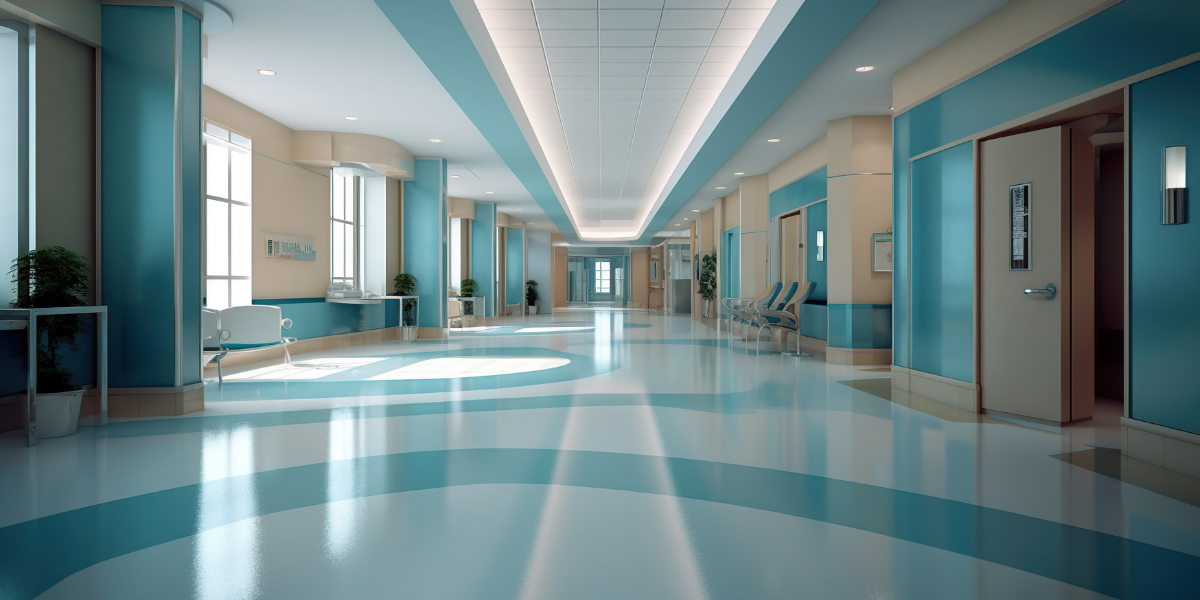
Enter any health facility nowadays, and the first thing that one notices is that hospitals no longer appear or feel like they used to be. Vanished are the dark corridors, sterile rooms, and frightening waiting bays. Rather, warm lighting and relaxing colors, considerate designs, and a sense of comfort that almost borders on homey are being adopted by many facilities. And this is not a coincidence; this is the effectiveness of the modern hospital interior design in action.
Indeed, modern hospital interior design has a much larger contribution to the recovery of a patient compared to what most individuals think. All the details, including the selection of materials and the location of windows, ventilation, colors, and light, and even artwork, impact the psyche and physiology. This is the reason why healthcare planners, architects, and designers are putting so much into the modern hospital interior design that promotes healing and not necessarily a place where treatment is provided.
Have you ever asked yourself why hospitals nowadays feel different, why design is an important aspect in healthcare? Then it is time to explore how modern hospital interior design can influence patient well-being, comfort, and recovery.
The Environment is the First Step to Healing
It has been found that the healing process of patients is accelerated in environments that are safe, calm, and positive. This is one of the largest aims of modern hospital interior design: to provide an environment that will reduce stress and help to heal.
A peaceful environment can:
- Less anxiety and blood pressure
- Improve sleep quality
- Lessen the experience of pain
- Speed up recovery time
Even minor details such as calming the wall color, natural light, and a properly designed room layout contribute to the patients being less stressed and more relaxed and less medicalized. And when the mind is calm, so follows the body.
Healing Starts with Proper Light
The strategic placement of natural light is one of the characteristics of modern hospital interior design. Exposure to sunlight increases mood, better sleep patterns, the body’s internal clock, and increases emotional well-being, which are vital to healing.
The priorities of hospitals today are:
- Large windows
- Skylights
- Glass partitions
- Outdoor views
Waking up to sunlight or greenery views makes a patient heal more quickly and be optimistic about the treatment.
Beyond White Walls
Colors make a very massive impression on mood and feeling. That is why the design of the modern hospital interiors does not imply the use of whites and cold greys in the rooms of the patients and the waiting departments.
The designers are inclined to:
- Soft blues for calmness
- Greens for healing
- Dispassionates to counteract emotion.
- Warm tones for comfort
Color is not a decoration; it is also a means of controlling patient emotions and the establishment of calm environments.
Patient-Centric Layouts
The layout of any hospital directly influences the level of comfort and safety of patients. In modern hospital interior design, it is ensured that:
- There is sufficient space in the rooms to manoeuvre.
- There are no clogged corridors, and they are clear.
- Nursing stations are well located.
- Emergency routes are well indicated.
Patients feel more independent when they are comfortable walking around, and this is also a significant factor in quick recovery.
Nature-Inspired Comfort
One of the key components of the modern hospital interior design is biophilic design. The introduction of the outdoors in the house has been found to alleviate stress, boost the mood, and heal patients more quickly.
Biophilic elements that are popular include:
- Indoor plants
- Water features
- Wood textures
- Nature-themed art
- Naturally simulated ventilation
A patient sitting at a hospital bed with even a simple view of a garden will feel better.
Comfortable and Patient-Friendly Rooms
The patients of today demand more comfort, privacy, and convenience. That is what the modern hospital interior design provides.
Contemporary patient rooms should have:
- Couches to sit on when receiving visitors.
- Soft lighting
- Adjustable beds
- Entertainment systems
- Storage for personal items
- Private bathrooms
Comfort is not a luxury anymore; it is an element of the healing process.
Conclusion
The more we know about healing, the better we come to understand that it is not only about medicine. The environment has been a very important factor, and modern hospital interior design is transforming the health sector by making the area feel secure, calm, and highly human.
It can be the natural light, relaxing colors, a silent room, or a nature-themed space; a considerate design contributes to faster recuperation, a happier patient, and a more optimistic one. Investment in hospitals by means of improved environment results in better investment of outcomes.
Contemporary hospitals are not only the locations where diseases are being treated, but also the locations where healing commences.
FAQs
1. So what is the significance of modern hospital interior design?
It helps to increase patient comfort, stress, recovery, and create a conducive healing environment.
2. What is the effect of design on patient recovery?
The absence of anxiety is achieved by natural light, calming colors, a calm environment, and relaxing rooms.
3. What are the key things in the interior design of a modern hospital?
Bio-friendly features, intelligent technology, soundproofing, effective designs, and patient-friendly rooms.
4. Does patient lighting influence patient health?
Yes! Natural light exposure elevates the mood, boosts sleep rhythm, and elevates the level of overall emotions.
5. What does design contribute to hospital employees?
An effective hospital will facilitate and ease the work process, decrease stress levels, and enhance work processes with patients.
