
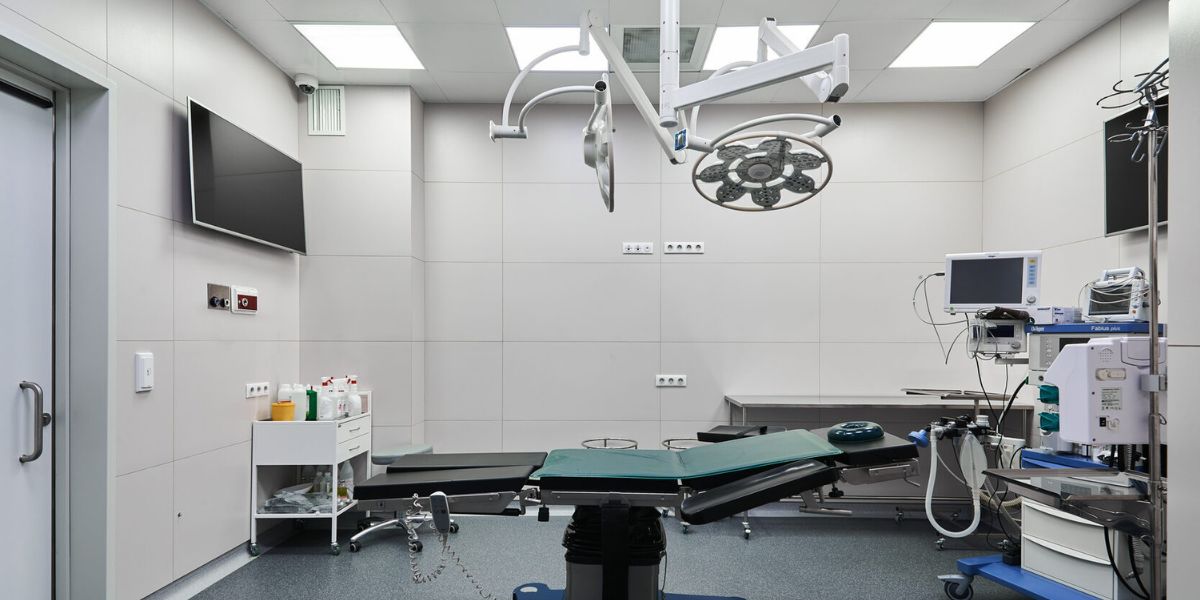
Modern hospital interior design is a critical element of healthcare environments that shape the health and well-being of patients and healthcare workers. Hospital design is not only about the provision of functional spaces but also the provision of spaces that support healing, comfort, and safety. A well-designed hospital interior has the capacity to alleviate by far the anxieties of patients, make them more comfortable, and increase efficiency among healthcare professionals. The application of modern hospital interior design standards ensures that hospitals are not only treatment centers but also healing and care centers that demonstrate confidence and faith in the healthcare system.
The Power of Modern Hospital Interior Design in Patient Comfort
Hospital interior design today lays much emphasis on enhancing patient comfort. Individuals are at their vulnerable best when they are hospitalized, and therefore, it is extremely critical to ensure that the environment becomes as restful and stress-reducing as possible. Hospitals are capable of creating spaces that do not feel so clinical but are healing spaces by means of restful color palettes, natural lighting, and comfortable seating.
For example, patient bedrooms that incorporate soft hues and adjustable lighting contribute to a calming environment. Natural light, a key component of modern hospital interior design, aids in controlling the mood of patients and sleep patterns, which is vital for recovery. In addition, efficient waiting areas enable visitors and families to feel more at ease, alleviating nervousness while waiting to hear news.
Optimizing Healthcare Spaces with Modern Hospital Interior Design
Coordination between medical staff and interior designers is required in a bid to attain this equilibrium. The designers can provide spaces that are beautiful, functional, and healing-friendly by staying responsive to the needs of the staff and the patient. Synergy between them can produce next-generation healthcare buildings focused on the comfort of the patient and the efficiency of the staff.
In modern hospital interior design, the areas for the staff are ergonomically designed so that medical staff can work for long periods of time without physical disability. Nurses’ stations, closets for medicines, and operating rooms are all functionally configured with care comfort and reduced opportunity for error. Modern hospital interior design helps to make the healthcare staff feel at ease and appreciate their position in the health system, hence being more efficient and part of care to the patient.
Safety and Hygiene in Modern Hospital Interior Design
One of the key concerns of hospital interior design today is making hospital environments hygienic and safe. The selection of materials is an extremely important responsibility. Non-porous, low-maintenance materials are utilized in modern hospitals that are designed to break the infection spread chain. Furniture in hospitals is infection control-driven, easy to clean and maintain.
Another safety feature of modern hospital interior architecture is emergency flexibility. Broad passageways and strategically positioned emergency doors are a must in the event of a eventual evacuation. In addition, wayfinding systems are incorporated in the design to direct people swiftly and comfortably, with everyone knowing where they need to go in the event of an emergency.
Lessening Anxiety Through Modern Hospital Interior Architecture
Modern hospital interior design caters not just to physical comfort but psychological comfort. Previously, hospitals were institutions that instilled fear, and modern design endeavors to diminish this. Design incorporates aspects that bring about the introduction of higher comfort for visitors and patients alike, ranging from peaceful surroundings with natural inputs to areas for quiet reflection.
Hospitals are able to employ modern interior design to build individual, quiet spaces in which patients may sleep or meditate. Private consultation rooms in which sensitive information can be divulged without interruption are imperative to visitors. These elements assist in managing the emotional stress of medical consultations to make them comfortable for all.
The Future of Modern Hospital Interior Design
The future of modern hospital interior design is the integration of latest technology for the improvement of patient care and employee productivity. Hospitals are starting to implement high-end technologies, including automated lighting and temperature controls that adapt to individual needs. Interactive patient care systems, like those that enable patients to customize their environment, become more widespread.
Modern hospital interior design is changing, embracing new technologies to enhance health outcomes. They are comforting patients and facilitating easy access to essential information by medical staff. As hospitals continue to become better at incorporating more sophisticated tools in treatment, the purpose of interior design in shaping healthcare experience will grow.
Conclusion
In short, modern hospital interior design is not merely a matter of how things look – it’s a strategic way of enhancing the quality of patient care, employee efficiency, and safety. With an eye towards designing calming, efficient, and safe spaces, hospitals can reduce the stress of patients, enhance the rates of recovery, and make the entire health-care process enjoyable. With continuous development in the field of medical science, the influence of modern hospital interior design will only intensify in forming the future of hospitals and become an imperative for delivering quality care and creating hope and optimism for healthcare.
