
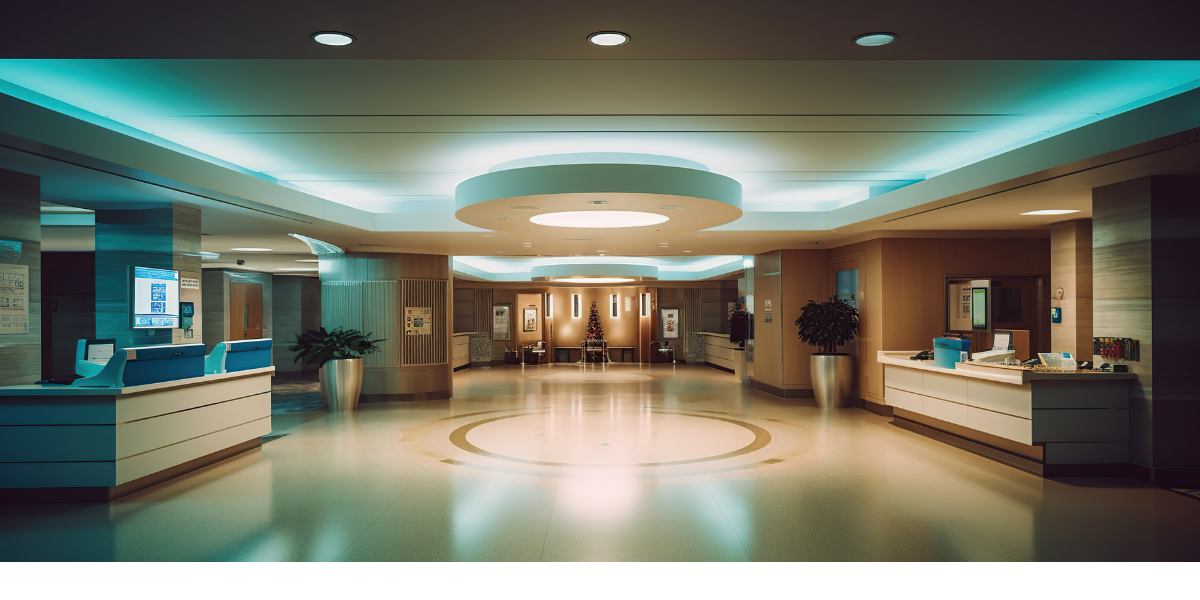
Today, modern hospital interior design is a mixture of human comfort and clinical efficiency; it has changed the hospital rooms to serve as stress-relieving, supportive of medical care, and enhances patient outcomes. Modern hospital interior design has emerged as an essential component of healthcare planning, starting with intuitive design, and continuing with relaxing colors and intelligent technology.
With the changing nature of hospitals, modern hospital interior design has enabled the rooms to be less institutional and more comforting without jeopardising the safety or functionality of a room. In a few words, it is transforming the appearance and feel of the healing places.
Why Hospital Room Design is More Over Ever Before?
Patients spend most of their time in hospital rooms. There, they lie down, recover, communicate with physicians, and even get bad news. A room design that is not well planned may cause stress, confusion, and discomfort. A designed room helps enhance quick recovery, lessen anxiety, and enhance workflow within the staff.
This is why modern hospital interior design is more centered on emotional needs and practical needs; both should be given the same weight, which is safety, comfort, and efficiency.
Comfort-Promoting Patient-Centered Layouts
The layout of modern hospital rooms is one of the most crucial elements. Patients have to be able to move safely, the caregivers have to work efficiently, and the equipment must be easy to reach without disorganizing the space.
Major layout factors to consider are:
- Well-defined walking paths that are free.
- There is easy access to washrooms, medical equipment, and beds.
- Considerable positioning of the nursing controls and call bells.
Patient-Centric Lighting
One of the important factors to consider while designing hospitals is lighting. Severe fluorescent lights may interfere with sleep and make one anxious. Contemporary designs concentrate on the multi-layered lighting which varies with varying demands during the day.
Modern hospital interior design incorporates lighting to enhance sleep patterns, mood, and well-being by matching it with circadian rhythms.
Furniture That Assists Healing
The furniture in the hospital needs to be selected very meticulously, as it can affect the comfort of the patient. The beds, chairs, tables, and storage units must be able to endure the long use period, and they must be easily cleanable and protective to the patients.
The modern furniture design is concerned with:
- Comfortable and accessible adjustable beds.
- Visitor and staff ergonomic seating.
- Smooth edges to avoid cuts.
This consideration of requiring comfortable furniture choice when designing the interior of a modern hospital is based on the fact that comfort does not come at the expense of hygiene and durability.
Hygiene By Medical Standards
Modern technology in the interior design of hospitals has the benefit of being able to promote infection control without hurting the warm and inviting appearance of the hospital due to the choice of materials used.
Common choices include:
- Antimicrobial surfaces
- Seamless flooring
- Non-porous wall finishes
Intelligent Technology Integration
Technology has assisted hospitals immensely. Smart features add to the comfort and quality of care (e.g., automated lighting) and add to the convenience (e.g., digital patient monitoring).
Key integrations include:
- Touch-free controls
- Smart nurse-call systems
- Incorporation of an integrated medical equipment panel.
Instead of crowding rooms with all the appliances, modern hospital interior design incorporates technology into the entire design in a smooth way.
Creating Calm Clinical Spaces
One of the largest complaints of the hospital circles is noise. Patients can be disturbed by beeping machines, talking in the hallway, and moving equipment, which can disrupt their recovery process.
Design solutions include:
- Acoustic panels
- Sound-absorbing flooring
- Drawers and doors- quietly closing.
Modern hospital interior design is able to create a more tranquil environment by focusing on the acoustics of the facility, where patients can be able to rest well.
Conclusion
The rooms of the hospitals are not mere spaces, it is the place of healing. When created with care, they foster recovery, minimize anxiety, and enhance the healthcare experience. The modern hospital interior design is a combination of comfort, safety, technology, and empathy to make such spaces mindful of people.
Regardless of whether you are designing a new building or renovating the current rooms, looking at these main features of design guarantees your hospital will satisfy the current expectations- and the future needs.
FAQs
Q1. So why do modern hospitals care about the interior design of hospitals so much in patient recovery?
It lowers stress, enhances comfort, and builds an environment where the physical and emotional recovery occurs.
Q2. What effects does lighting have on the design of hospital rooms?
Medical procedures that require proper lighting also enhance sleep, mood, and visibility.
Q3. What are the ideal hospital interior materials?
The materials should be easy to clean, antimicrobial, and durable to promote hygiene and safety.
Q4. Does room design in hospitals enhance the efficiency of staff?
Yes. New layouts, storage, and technology integration make the workflow of healthcare teams easier.
